Building bridges for
religious freedom

Since 2018, HRCP has convened meetings of a national interfaith working group—a diverse collective committed to monitoring violations of the right to freedom of religion or belief, and promoting pluralism and equal citizenship for all religious minorities and sects. Comprising representatives from the Christian, Hindu, Sikh, Ahmadiyya, Buddhist, Shia Hazara, Bahai and Parsi communities—all of whom work as lawyers, journalists or community-level activists—the group works to ensure that the voices of minority communities are heard, protected and empowered in national conversations. It provides first-hand insights from communities affected by religious discrimination, monitoring support through fact-finding missions and fieldwork, and strategic input on advocacy messaging and recommendations in the form of open letters.

At the working group’s most recent meeting in March 2025, HRCP launched its annual report on the state of freedom of religion or belief in 2023/24, which spotlighted the rising tide of mob violence, suppression of dissent, and the climate of fear affecting religious minorities.

Here are some of the concerns our working group raised:

  • The discriminatory role of the clergy in district peace committees.
  • Insufficient compensation for victims of mob violence.
  • Allegations of coerced religious conversions among impoverished communities.
  • The need for procedural reforms in laws that disproportionately affect religious minorities.
  • A constitutional amendment to allow minorities to hold the offices of president and prime minister.
  • The need for a parliamentary minorities’ caucus to ensure political representation.

Read more

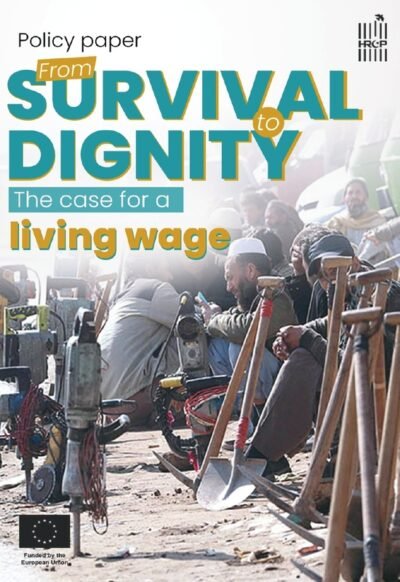
Why the average household needs at least PKR 75,000 a month to ensure access to food, housing, utilities, healthcare, education… and dignity.
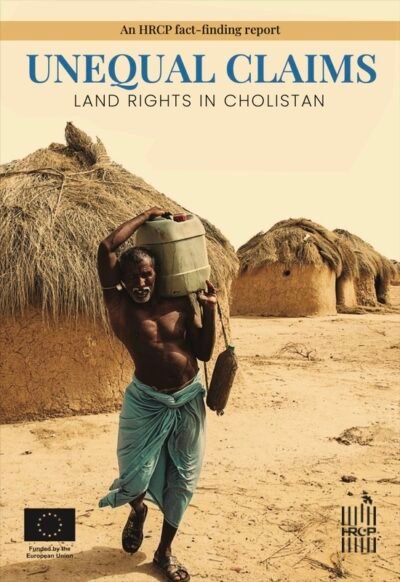
Land appropriation and the expansion of corporate farming at the expense of local livelihoods and ecological sustainability in Cholistan.
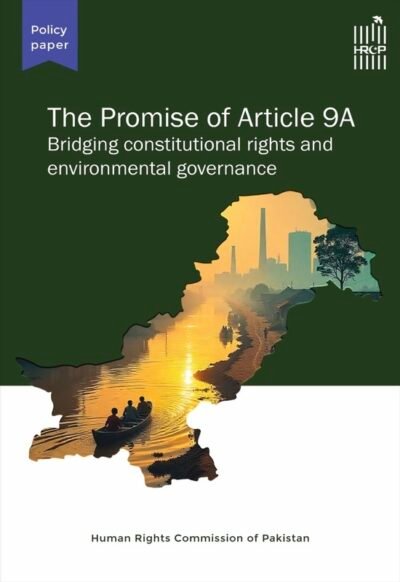
Why Article 9A establishes the rights to clean air, safe drinking water, waste management, disaster preparedness, and environmental justice.
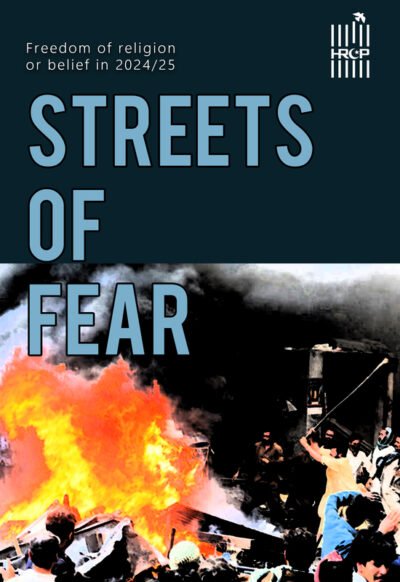
How rising violence against religious minorities, forced conversions, hate speech and the growing influence of the far right have characterized 2024/25.